Welcome!

Welcome!

The Earth needs care. Life needs care. People need care. As newborns and children, just as when we are ill or elderly. We learn to care for ourselves and for the world around us. Animals, plants, natural resources, water, air, and the temperature of our planet—all of these concern us. We bear responsibility. As professional caregivers and nurses, we help to further develop care as a cultural responsibility in practical, scientific, and political ways.

Anthroposophy means “wisdom of the human being.” Anthroposophic nursing means using the Earth’s resources responsibly and nurturing the human being’s relationship with the Earth. A person’s relationships with other people, their economic circumstances, and their access to education and participation in society all contribute to determining their health. It is within these relationships that each person’s individual biography unfolds.

Anthroposophic nursing is a worldwide movement. In more than sixteen countries across six continents, education trainings are offered on this art of nursing. These trainings teach nursing methods such as therapeutic washing, compresses and poultices, baths, and Rhythmic Einreibung which Anthroposophic Medicine provides the basis for. Particular importance is also placed on the nurses attitude, which can have a healing or harmful effect. This attitude is expressed in the relationship between the caregiver and the person receiving care.

Worldwide, professional nurses have joined together in national associations to further develop anthroposophic nursing. The International Council of Anthroposophic Nursing Associations (ICANA) is the umbrella organisation of these national associations. The International Forum for Anthroposophic Nursing (IFAN) in an annual meeting of nurses for professional exchange. The office for Quality in Anthroposophic Nursing (QAN) ensures the quality of trainings.


About Anthroposophic Nursing

Health is more than individual well being. Health also has economic, ecological, social, cultural demographic, biographical and spiritual aspects. These all work together in the individual. Anthroposophic nursing integrates these aspects in assessing those in need of care under the holistic perspective of body, soul and spirit.

Nature and the Human Being
Human beings are part of nature. We should live in harmony and respect with the realms of animals, plants and minerals. The climate crises expresses that we are responsible for this planet. We are grateful for the gifts of nature, for her beauty, warmth, nutrition, stability. We use these gift for our nursing skills in a sustainable way.

Disease and Healing

Up to the 20th century most illnesses were inflammatory, infectious diseases. Due to vaccination, antibiotic and immune suppressive therapies the emphasis of these mostly acute diseases turned into chronic non-communicable illnesses. Now heart failure and cancer are the most relevant causes of death. Chronic disease often means lifelong assistance by nurses and other health professionals. Nurses accompany those in need with knowledge, warmth and practical aid.

www.medsektion-goetheanum.org/en/anthroposophic-medicine/what-is-anthroposophic-med

Attitude
It is not only important what we do, but how we do it. The quality of touch and movement, even thoughts and feelings of the caregiver have a relevant impact on wellbeing and health on those in need of care. Twelve archetypal nursing gestures are a foundation for a caring attitude in nursing practice.

www.anthromedics.org/PRA-0615-EN

Fundamental Nursing Skills

Rhythmical Einreibungen (RE)
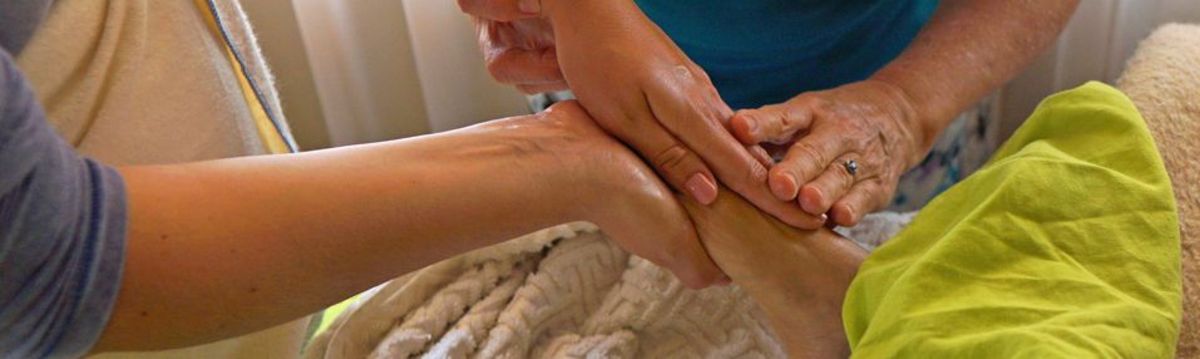
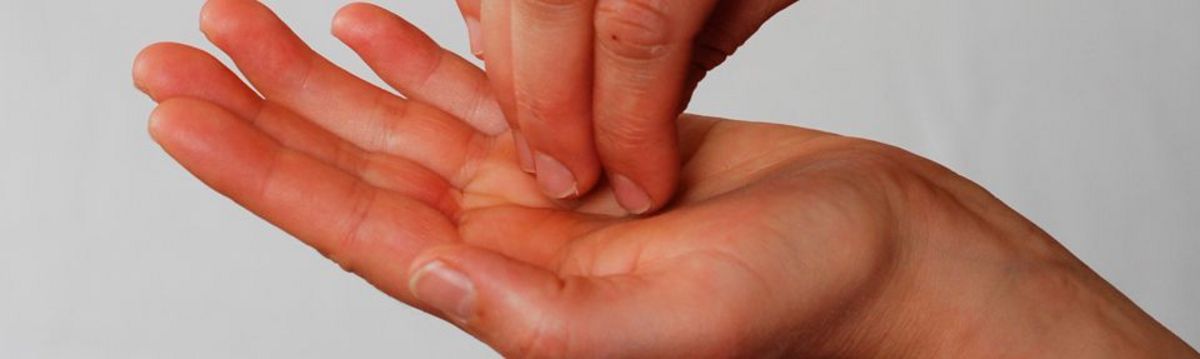
RE is gentle, gliding touch along archetypal forms of the body. Fundamentally it strengthens life forces, enhances warmth and harmonizes rhythmic processes in the body. RE supports the connection between the body and soul, particularly when this has been lost after physical or psychological trauma or approaching death. RE is applicable for nursing prophylaxis and support in illness. It is given as whole-body, partial-body or organ Einreibungen treatments. For its application RE utilizes massage oils and plant or metal ointments.

Compresses, baths and therapeutic washings work through healing and caring substances via the skin, through warmth and rhythm and via the healing atmosphere of the environment. They are an essential part of Anthroposophic Medicine

https://vademecum.care/

International Forum for Anthroposophic Nursing (IFAN)

We stand for development and growth of Anthroposophic Nursing within the national health systems in our countries.

International Council of Anthroposophic Nursing Associations (ICANA)

ICANA promotes and sponsors the International Forum for Anthroposophic Nursing. ICANA is responsible for legal and financial issues.

Quality in Anthroposophic Nursing (QAN)

QAN helps to ensure quality standards for education in Anthroposophic Nursing. QAN is responsible for accreditation of courses and certification of nurses.

International Forum for Anthroposophic Nursing (IFAN)

We stand for development and growth of Anthroposophic Nursing within the national health systems in our countries.

International Council of Anthroposophic Nursing Associations (ICANA)

ICANA promotes and sponsors the International Forum for Anthroposophic Nursing. ICANA is responsible for legal and financial issues.

Quality in Anthroposophic Nursing (QAN)

QAN helps to ensure quality standards for education in Anthroposophic Nursing. QAN is responsible for accreditation of courses and certification of nurses.

Welcome!

Welcome!

The Earth needs care. Life needs care. People need care. As newborns and children, just as when we are ill or elderly. We learn to care for ourselves and for the world around us. Animals, plants, natural resources, water, air, and the temperature of our planet—all of these concern us. We bear responsibility. As professional caregivers and nurses, we help to further develop care as a cultural responsibility in practical, scientific, and political ways.

Anthroposophy means “wisdom of the human being.” Anthroposophic nursing means using the Earth’s resources responsibly and nurturing the human being’s relationship with the Earth. A person’s relationships with other people, their economic circumstances, and their access to education and participation in society all contribute to determining their health. It is within these relationships that each person’s individual biography unfolds.

Anthroposophic nursing is a worldwide movement. In more than sixteen countries across six continents, education trainings are offered on this art of nursing. These trainings teach nursing methods such as therapeutic washing, compresses and poultices, baths, and Rhythmic Einreibung which Anthroposophic Medicine provides the basis for. Particular importance is also placed on the nurses attitude, which can have a healing or harmful effect. This attitude is expressed in the relationship between the caregiver and the person receiving care.

Worldwide, professional nurses have joined together in national associations to further develop anthroposophic nursing. The International Council of Anthroposophic Nursing Associations (ICANA) is the umbrella organisation of these national associations. The International Forum for Anthroposophic Nursing (IFAN) in an annual meeting of nurses for professional exchange. The office for Quality in Anthroposophic Nursing (QAN) ensures the quality of trainings.


About Anthroposophic Nursing

Health is more than individual well being. Health also has economic, ecological, social, cultural demographic, biographical and spiritual aspects. These all work together in the individual. Anthroposophic nursing integrates these aspects in assessing those in need of care under the holistic perspective of body, soul and spirit.

Nature and the Human Being
Human beings are part of nature. We should live in harmony and respect with the realms of animals, plants and minerals. The climate crises expresses that we are responsible for this planet. We are grateful for the gifts of nature, for her beauty, warmth, nutrition, stability. We use these gift for our nursing skills in a sustainable way.

Disease and Healing

Up to the 20th century most illnesses were inflammatory, infectious diseases. Due to vaccination, antibiotic and immune suppressive therapies the emphasis of these mostly acute diseases turned into chronic non-communicable illnesses. Now heart failure and cancer are the most relevant causes of death. Chronic disease often means lifelong assistance by nurses and other health professionals. Nurses accompany those in need with knowledge, warmth and practical aid.

www.medsektion-goetheanum.org/en/anthroposophic-medicine/what-is-anthroposophic-med

Attitude
It is not only important what we do, but how we do it. The quality of touch and movement, even thoughts and feelings of the caregiver have a relevant impact on wellbeing and health on those in need of care. Twelve archetypal nursing gestures are a foundation for a caring attitude in nursing practice.

www.anthromedics.org/PRA-0615-EN

Fundamental Nursing Skills

Rhythmical Einreibungen (RE)
RE is gentle, gliding touch along archetypal forms of the body. Fundamentally it strengthens life forces, enhances warmth and harmonizes rhythmic processes in the body. RE supports the connection between the body and soul, particularly when this has been lost after physical or psychological trauma or approaching death. RE is applicable for nursing prophylaxis and support in illness. It is given as whole-body, partial-body or organ Einreibungen treatments. For its application RE utilizes massage oils and plant or metal ointments.

Compresses, baths and therapeutic washings work through healing and caring substances via the skin, through warmth and rhythm and via the healing atmosphere of the environment. They are an essential part of Anthroposophic Medicine

https://vademecum.care/